Every once in a while genealogy hands me a discovery that makes me stop and say “What the heck did I just find?” This was definitely one of those times.
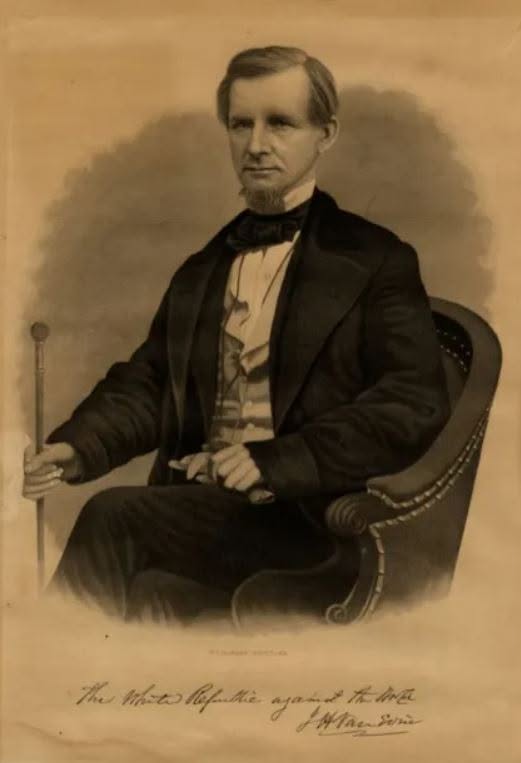
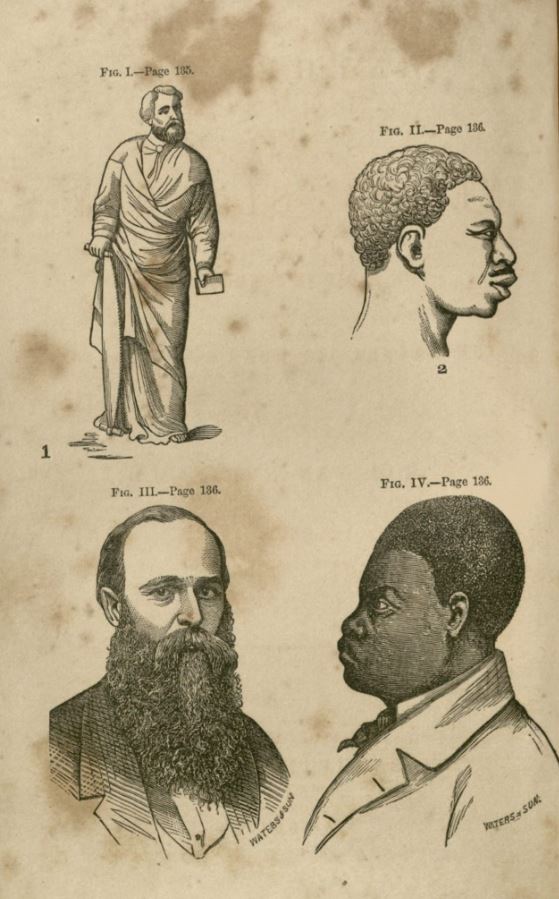
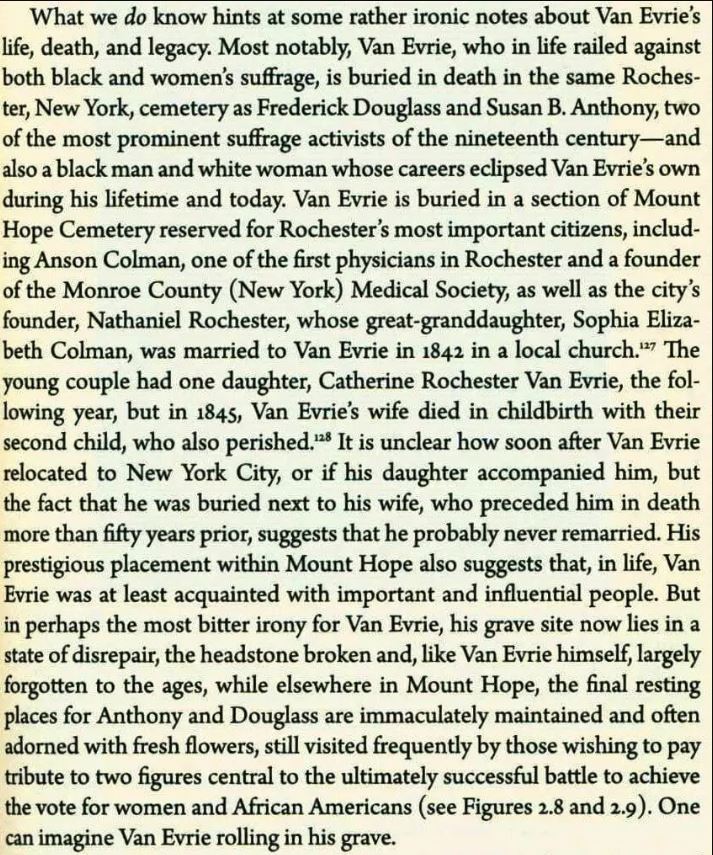
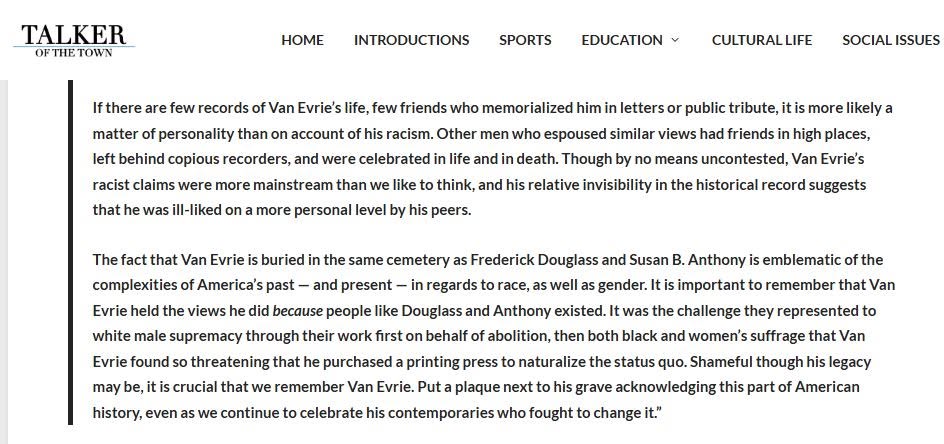
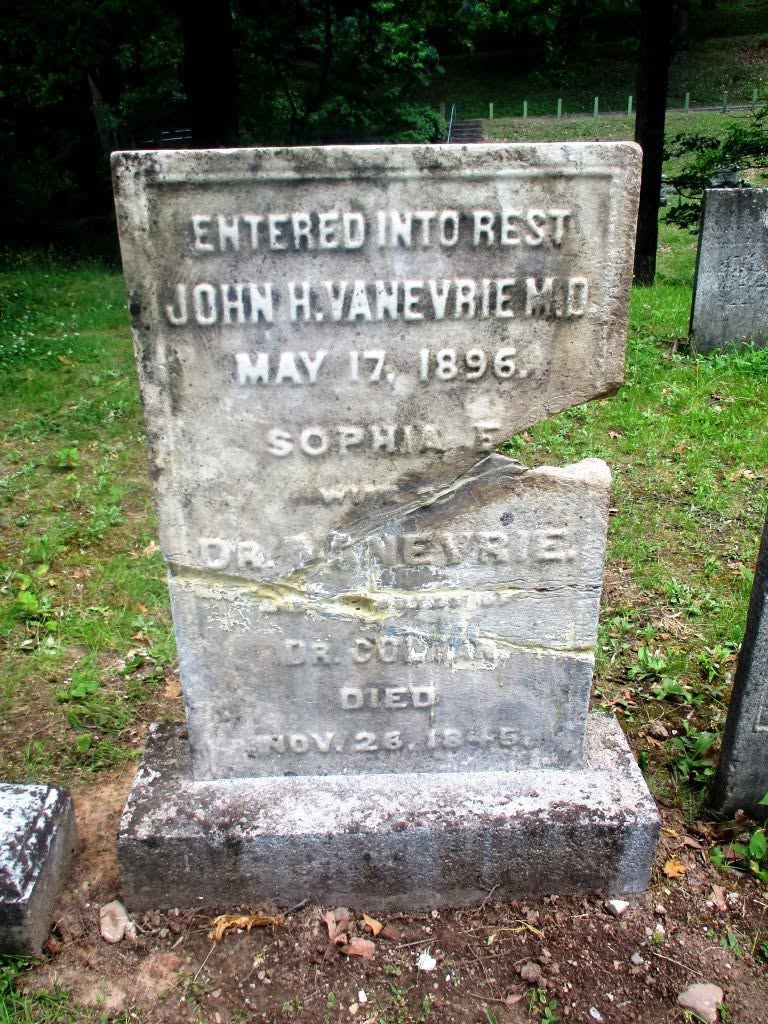
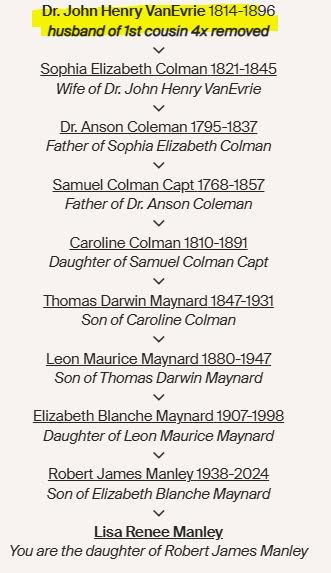
Dr. John H. Van Evrie (1814-1896) married my 4X cousin Sophia Elizabeth Colman (1821-1845) in 1842. Van Evrie would later become a physician, writer, newspaper editor and publisher whose career was devoted to defending slavery and promoting white supremacy. Historian George M. Frederickson famously described him as perhaps “America’s first professional racist”. Van Evrie published books and pamphlets arguing that Black Americans were naturally inferior, and in 1860 his publishing company issued an edition of the infamous Dred Scott decision accompanied by his own introduction and additional material promoting racial hierarchy.
What makes this family connection particularly jarring is Sophia’s background. Her brother, Edward Colman served in the Union Army and was shot in the face at the Battle of Shiloh while her sister, Cornelia Colman married Union Brigadier General Edward S. Bragg. Yet Sophia’s husband became one of the country’s most outspoken defenders of slavery.
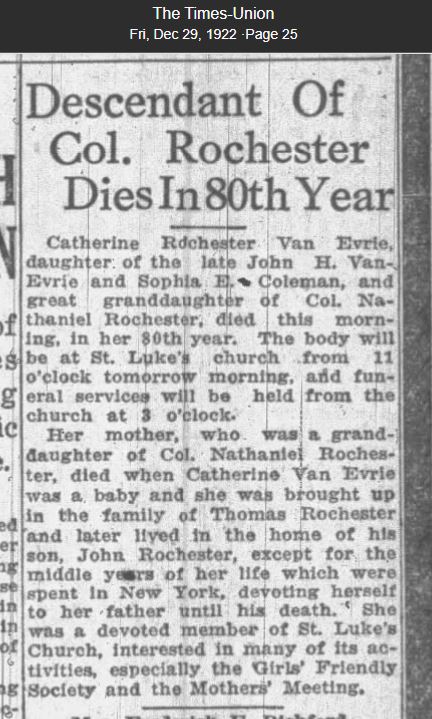
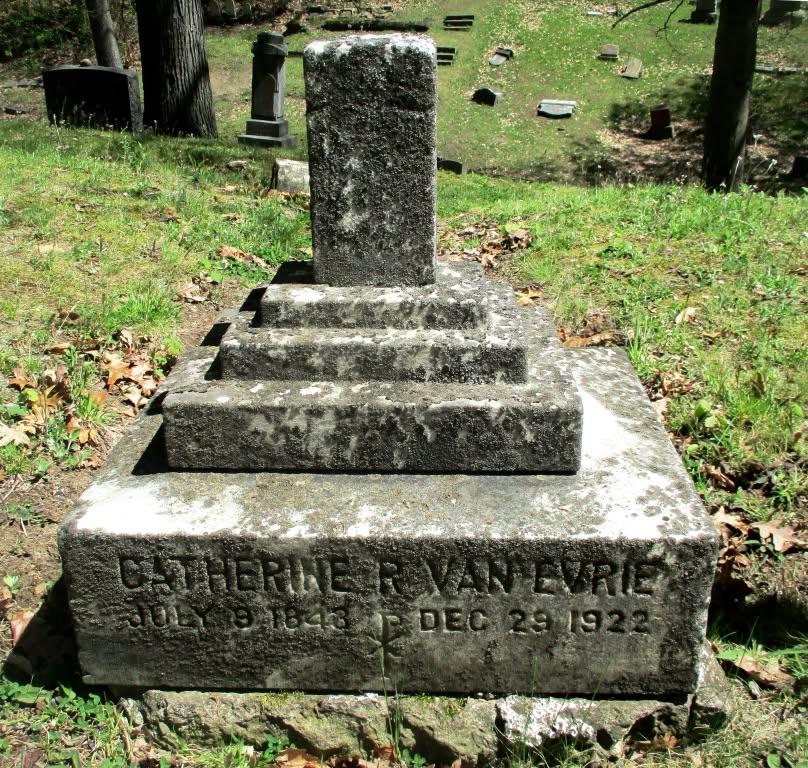
Sophia died tragically in 1845, only a few years after their marriage. Their surviving daughter, Catherine Rochester “Kittie” Van Evrie, was raised by Sophia’s Rochester relatives, including Thomas H. Rochester, who later referred to Kittie as his ‘adopted daughter’. Ironically, although her father had not raised her, Kittie eventually spent the middle years of her life in New York caring for him until his death in 1896.
Genealogy has taught me repeatedly that families rarely fit into the categories we expect. In one generation of this Colman family were Union soldiers, a Union general – and a man whose name became associated with some of the ugliest racial theories of nineteenth-century America.
And somehow, they all ended up on the same family tree.
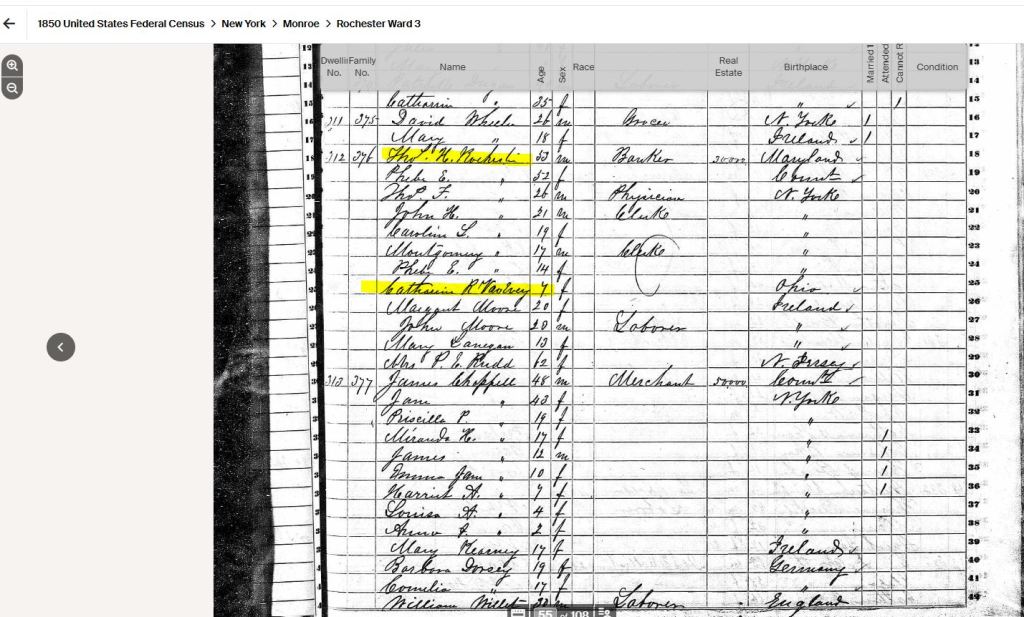
Of interest to note is that Sophia Colman was also raised by Thomas H. Rochester after the death of her parents, Catherine Kimball Rochester and Dr. Anson Colman.


 Tiny Acorns & Mighty Oaks
Leave a comment