
Genealogy is about more than names and dates. The best historical books help us understand the world our ancestors knew – their struggles, triumphs, communities and everyday lives. These are some of the books I’ve especially enjoyed and would happily recommend to fellow family historians.
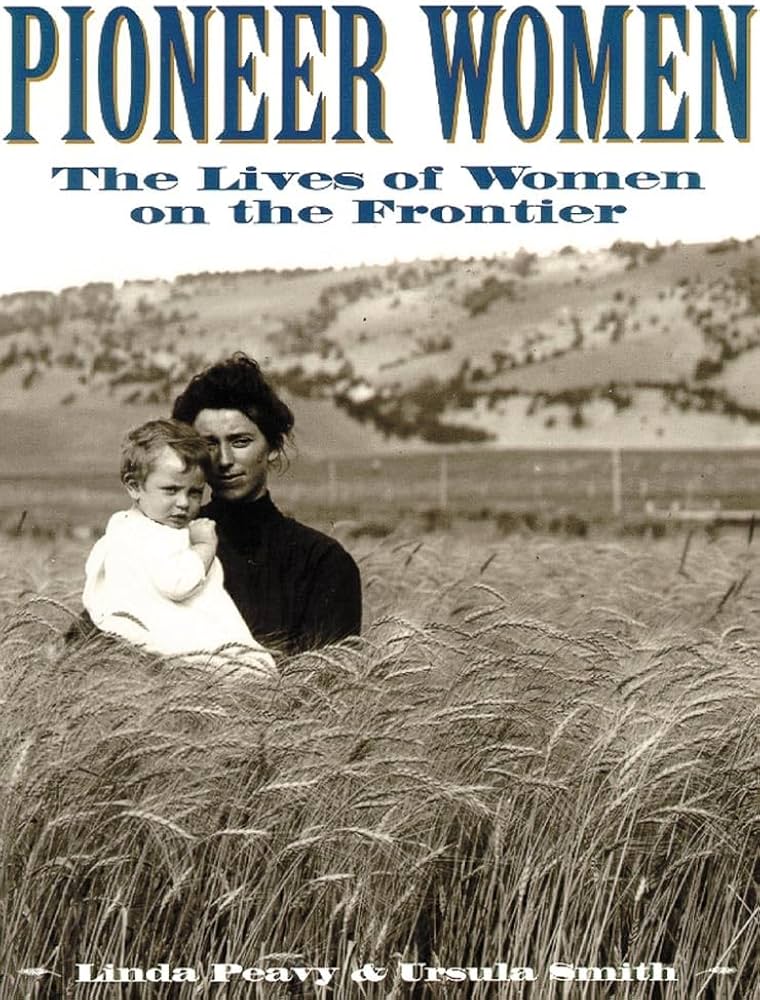
“Pioneer Women: The Lives of Women on the Frontier” by Linda Peavy and Ursula Smith is a 144-page non-fiction book that explores 19th-century American westward expansion through personal journals, letters, oral histories, and rare photographs. It details the daily hardships, domestic labors, community building, and quiet resilience of women settling the West.
The photographs are captivating and attest to the strength of every day women of the time which is not often explored in history.
“Caroline: Little House, Revisited” In this novel authorized by the Little House Heritage Trust, Sarah Miller vividly recreates the beauty, hardship, and joys of the frontier in a dazzling work of historical fiction, a captivating story that illuminates one courageous, resilient, and loving pioneer woman as never before—Caroline Ingalls, “Ma” in Laura Ingalls Wilder’s beloved Little House books.
In the frigid days of February, 1870, Caroline Ingalls and her family leave the familiar comforts of the Big Woods of Wisconsin and the warm bosom of her family for a new life in Kansas Indian Territory. Packing what they can carry in their wagon, Caroline, her husband Charles, and their little girls, Mary and Laura, head west to settle in a beautiful, unpredictable land full of promise and peril.
The pioneer life is a hard one, especially for a pregnant woman with no friends or kin to turn to for comfort or help. The burden of work must be shouldered alone, sickness tended without the aid of doctors, and babies birthed without the accustomed hands of mothers or sisters. But Caroline’s new world is also full of tender joys. In adapting to this strange new place and transforming a rough log house built by Charles’ hands into a home, Caroline must draw on untapped wells of strength she does not know she possesses.
For more than eighty years, generations of readers have been enchanted by the adventures of the American frontier’s most famous child, Laura Ingalls Wilder, in the Little House books. Now, that familiar story is retold in this captivating tale of family, fidelity, hardship, love, and survival that vividly re-imagines our past.
Forget all you learned in grade school about the Pilgrims. This novel is much closer to the reality of their lives.
“Beheld: A Novel” picks up ten years after the Mayflower pilgrims arrived on rocky, unfamiliar soil, Plymouth is not the land its residents had imagined. Seemingly established on a dream of religious freedom, in reality the town is led by fervent puritans who prohibit the residents from living, trading, and worshipping as they choose. By the time an unfamiliar ship, bearing new colonists, appears on the horizon one summer morning, Anglican outsiders have had enough.
With gripping, immersive details and exquisite prose, TaraShea Nesbit reframes the story of the pilgrims in the previously unheard voices of two women of very different status and means. She evokes a vivid, ominous Plymouth, populated by famous and unknown characters alike, each with conflicting desires and questionable behavior.
Suspenseful and beautifully wrought, Beheld is about a murder and a trial, and the motivations―personal and political―that cause people to act in unsavory ways. It is also an intimate portrait of love, motherhood, and friendship that asks: Whose stories get told over time, who gets believed―and subsequently, who gets punished?
“Never Caught: The Washington’s Relentless Pursuit of their Runaway Slave, Ona Judge” is a startling and eye-opening look into America’s First Family, and is a powerful narrative of Ona Judge, George and Martha Washington’s runaway slave who risked it all to escape the nation’s capital and reach freedom.
When George Washington was elected president, he reluctantly left behind his beloved Mount Vernon to serve in Philadelphia, the temporary seat of the nation’s capital, after a brief stay in New York. In setting up his household he took Tobias Lear, his celebrated secretary, and nine slaves, including Ona Judge, about which little has been written. As he grew accustomed to Northern ways, there was one change he couldn’t get his arms around: Pennsylvania law required enslaved people be set free after six months of residency in the state. Rather than comply, Washington decided to circumvent the law. Every six months he sent the slaves back down south just as the clock was about to expire.
Though Ona Judge lived a life of relative comfort, the few pleasantries she was afforded were nothing compared to freedom, a glimpse of which she encountered first-hand in Philadelphia. So, when the opportunity presented itself one clear and pleasant spring day in Philadelphia, Judge left everything she knew to escape to New England. Yet freedom would not come without its costs.
At just twenty-two-years-old, Ona became the subject of an intense manhunt led by George Washington, who used his political and personal contacts to recapture his property.
Impeccably researched, historian Erica Armstrong Dunbar weaves a powerful tale and offers fascinating new scholarship on how one young woman risked it all to gain freedom from the famous founding father.
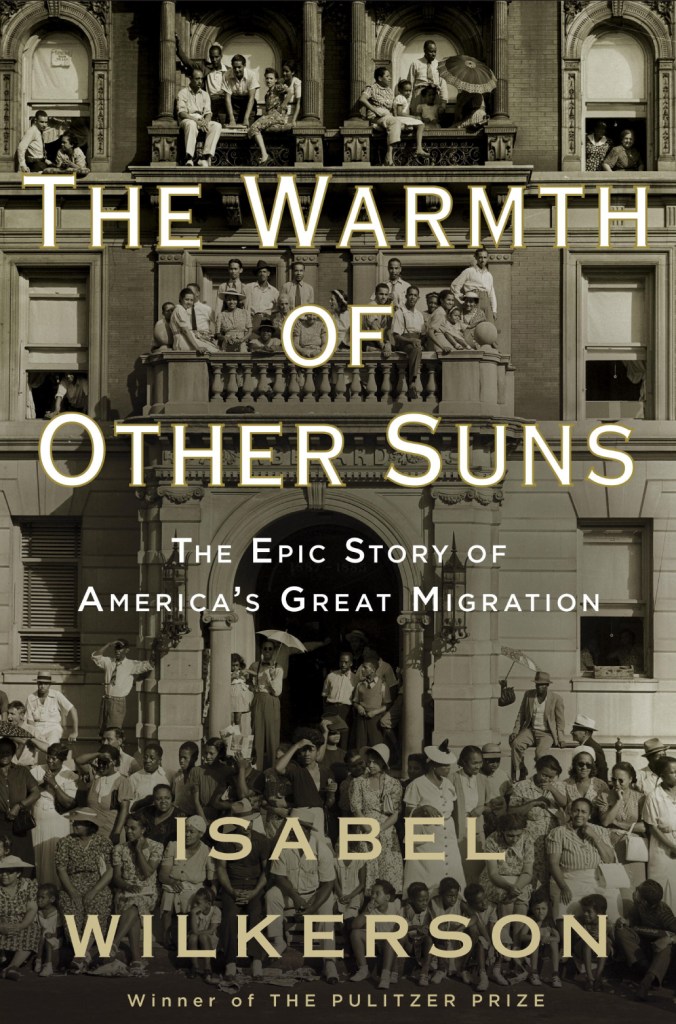
Published in 2010 by Isabel Wilkerson, “The Warmth of Other Suns” is a Pulitzer Prize-winning nonfiction book chronicling the Great Migration. It follows six million Black Americans who fled the Jim Crow South for northern and western cities from 1915 to 1970, weaving grand historical context with the personal stories of three real individuals.
I listened to this via Audible and was astounded at how little I knew about this era of American history.
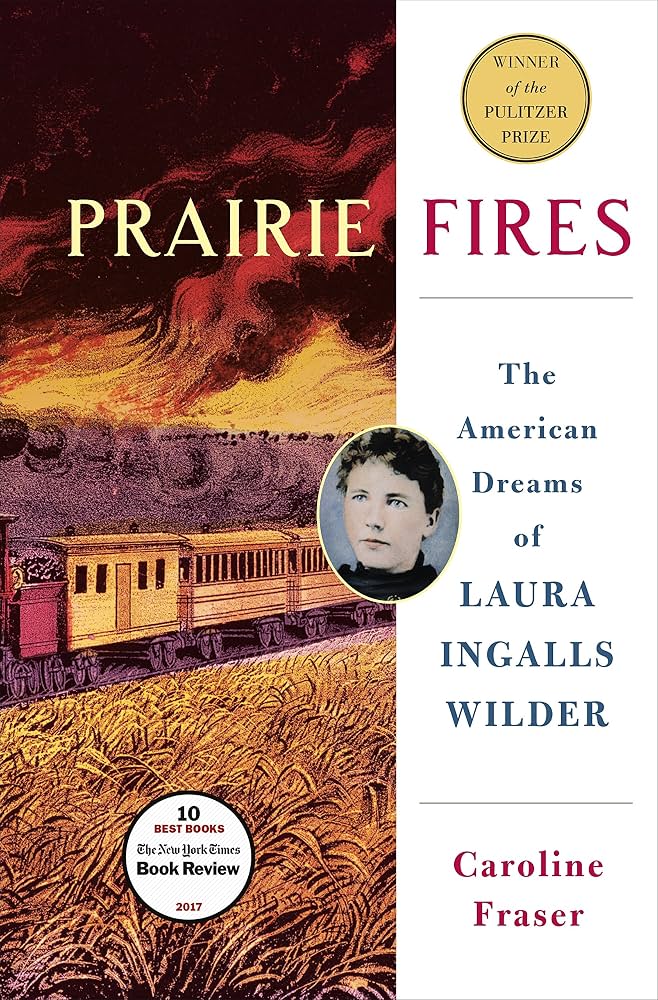
“Prairie Fires: The American Dreams of Laura Ingalls Wilder” by Caroline Fraser is a Pulitzer Prize-winning historical biography that contrasts the idyllic pioneer myth of the Little House series with the gritty, impoverished reality of Laura Ingalls Wilder’s actual life. It explores her family’s constant economic struggles, her relationship with her daughter Rose, and the sweeping history of the American frontier.
If I could give this book 10 stars, it wouldn’t be enough. I listened to this book via Audible and I was completely enthralled. By placing Laura into actual history, we can see the truth of her life and that of the time in which she lived, what the Ingalls and Wilder families endured and the things over which they triumphed. The author has given us a Big Picture view of the real life of Laura, beyond the children’s books making me appreciate the Little House books even more deeply.
Once you read this book, you’ll understand that the Little House on the Prairie series (from the 1970s and the revamped version on Netflix in 2026) are Hollywood-sensationalized versions of her life that, for the most part, are fiction.
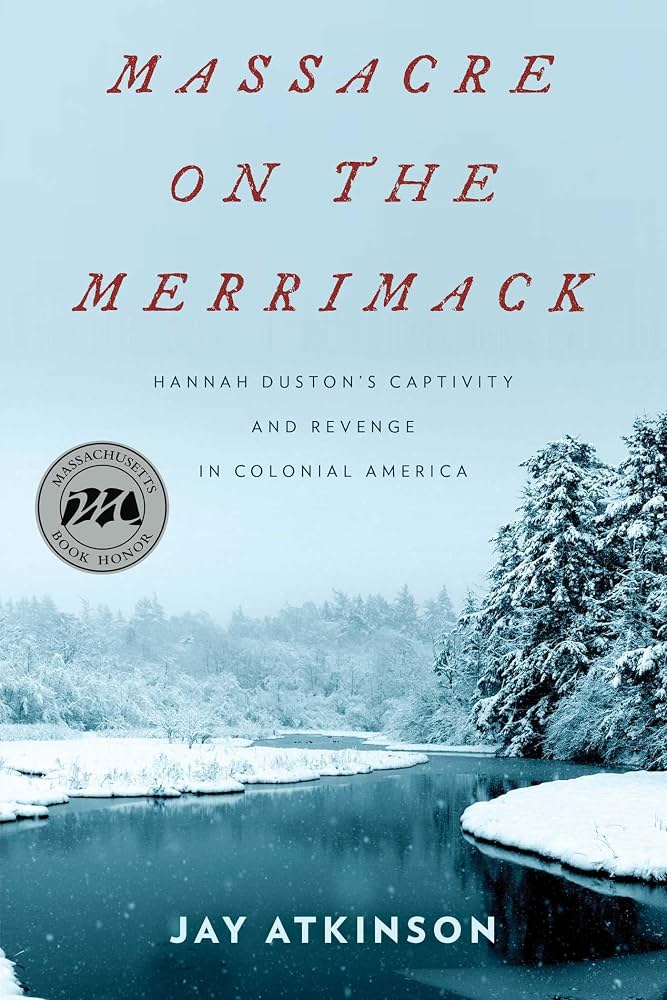
“Massacre on the Merrimack” is recommended as it delves deeply into the relationship dynamics of Native Americans and the Colonists, an excellent read if you have colonial ancestors in the original 13 colonies.
“Early on March 15, 1697, a band of Abenaki warriors in service to the French raided the English frontier village of Haverhill, Massachusetts. Striking swiftly, the Abenaki killed twenty-seven men, women, and children, and took thirteen captives, including thirty-nine-year-old Hannah Duston and her week-old daughter, Martha. A short distance from the village, one of the warriors murdered the squalling infant by dashing her head against a tree. After a forced march of nearly one hundred miles, Duston and two companions were transferred to a smaller band of Abenaki, who camped on a tiny island located at the junction of the Merrimack and Contoocook Rivers, several miles north of present day Concord, New Hampshire.This was the height of King William s War, both a war of terror and a religious contest, with English Protestantism vying for control of the New World with French Catholicism. After witnessing her infant s murder, Duston resolved to get even. Two weeks into their captivity, Duston and her companions, a fifty-one-year-old woman and a twelve-year-old boy, moved among the sleeping Abenaki with tomahawks and knives, killing two men, two women, and six children. After returning to the bloody scene alone to scalp their victims, Duston and the others escaped down the Merrimack River in a stolen canoe. They braved treacherous waters and the constant threat of attack and recapture, returning to tell their story and collect a bounty for the scalps.Was Hannah Duston the prototypical feminist avenger, or the harbinger of the Native American genocide? In this meticulously researched and riveting narrative, bestselling author Jay Atkinson sheds new light on the early struggle for North America.”
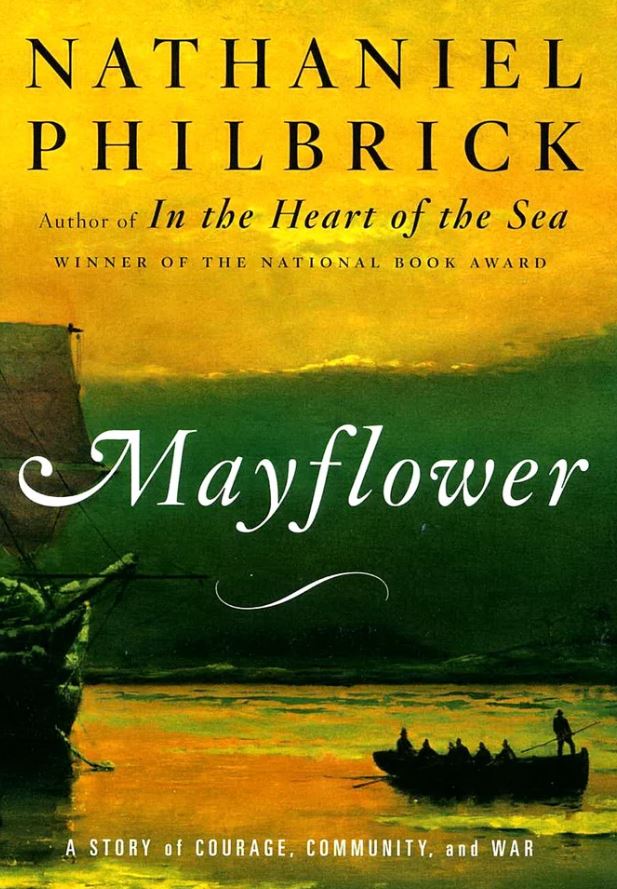
“Mayflower: A Story of Courage, Community, and War” by Nathaniel Philbrick explores the 1620 journey of the Pilgrims and the 55-year relationship between the colonists and the native Wampanoag people, which ultimately collapsed into the bloody King Philip’s War.
One of the hands-down best historical books I’ve ever read. I became interested in early colonial American history when I discovered that my 8X great grandfather, William Manly/Manley was descended from the ‘Mr. Manly’ of the early Weymouth Colony who arrived with Thomas Weston’s group. To find out that group co-existed in the same time as the Mayflower Pilgrims, I was deeply invested in the book.
Extremely well researched, well written and offers a full picture of the societies of the time. It paints neither the colonists and Native Americans as all heroes or all villains. This book should be required reading for all high school students. Side note, I listened to the 12+ plus hour audio version and the narrator was fantastic.
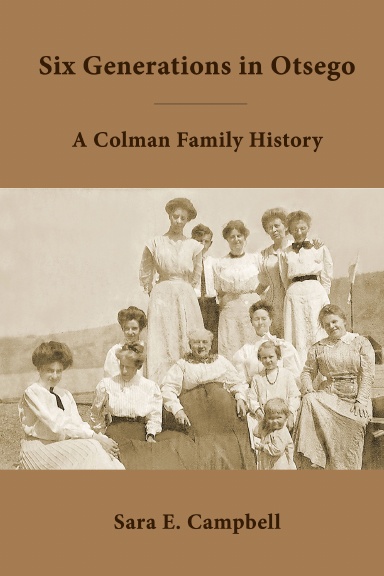
“Six Generations in Otsego: A Colman Family History” by Sarah E. Campbell, spanning 150 years from the early years of the Republic in the late 1700s, to the mid-twentieth century, the history of the Colman family in Otsego County, New York, is not unique. Their story parallels many other families who formed the backbone of new communities there. The author weaves together a broad range of personal and governmental documents to tell their story. Those who have spent time there know how rich with history this “Glimmerglass” region of Cooper’s writing truly is.
Sara and I connect on this Colman line, a must read for any of my family.
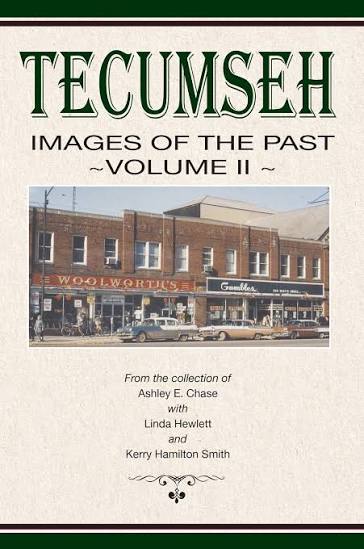
“Tecumseh: Images of the Past Volumes I and II” Mr. Ashley Chase published his first book of photos and images in 2017 in the 160-page book, Tecumseh: Images of the Past. It features more than 275 photos, ranging from 1860 to 2017. Ashley has collected photos and postcards for the past 40 years, most of which had never been seen by the general public until the book was published. The 160-page book, Tecumseh: Images of the Past, features more than 275 photos, ranging in time from 1860 to 2017.
Ashley is my second cousin and before his passing in 2025, was the town historian for Tecumseh, Lenawee County, Michigan.
“My Selma: True Stories of a Southern Childhood at the Height of the Civil Rights Movement” by Willie Mae Brown is a 2023 memoir about growing up Black in Selma, Alabama, during the 1960s. It captures twelve-year-old Willie Mae’s perspective as historical civil rights events unfold alongside everyday family life, community warmth, and the harsh realities of racial injustice.
I purchased this book from the gift shop at the Henry Ford Museum Greenfield Village (Dearborn, Michigan) earlier this year and couldn’t put it down. In conjunction with the Village acquiring the Jackson Home from Selma, Alabama where Dr. Martin Luther King, Jr. planned the famous Civil Rights March, this was part of the supporting ‘story’. Everything about this book, the writing, the story telling, the events were engrossing. From a white perspective, I realized that we can ‘know’ about the black experience, but we can never really know the black experience so these personal accounts of history are so vitally important.
“Animals I Want to See: A Memoir of Growing Up in the Projects and Defying the Odds” by Tom Seeman is a national bestseller detailing a lyrical coming-of-age story in Toledo, Ohio, tracking a boy’s journey from poverty to Harvard and Yale.
If I could give this memoir ten stars, it would not be enough. This book came as a recommendation in an online group for historic Toledo as the author, Tom Seeman, tells his story of growing up in the projects of the city. I also grew up in Toledo and as Tom is about my age, I wanted to hear his life story of a time and place of which I was intimately familiar. It did not disappoint on any level.
His story of being raised in a family of 14 in poverty was one of perseverance, wonder, curiosity, resilience, pain, seeking, and some great humor. More than once I nodded my head when he talked about local points of interest (Pearson Park, the Toledo Museum of Art, St. Francis De Sales High School, etc.) that I also knew and visited, of walking down alleys coming home from school, the summers spent wandering the streets with friends, and who didn’t love a good fried bologna sandwich? There were also points where I laughed out loud and cried a bit as well, his writing is brilliant.
It should also be noted that I listened to the audio version on Audible, the narrator was Brian Hutchinson who was perfect. Sometimes a bad narrator can ruin an otherwise good book. This collaboration of Tom Seeman’s writing and Brian Hutchinson’s reading was a winning combination.
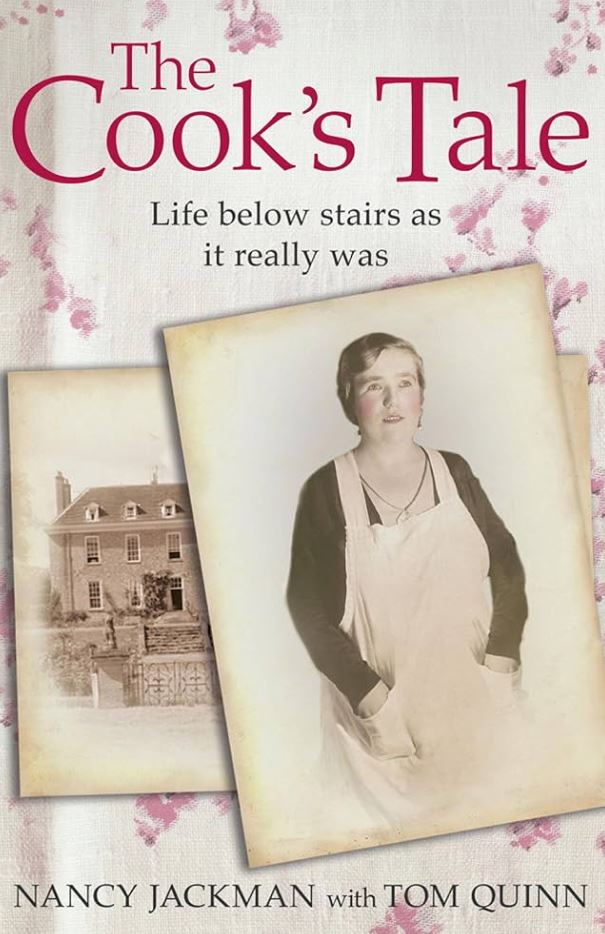
“The Cook’s Tale” by Tom Quinn and Nancy Jackman is a nonfiction memoir detailing the harsh realities of early 20th-century domestic service through the life of Nancy Jackman, who rose from an impoverished Norfolk childhood to work as a country house cook.
I started and finished this book in only a few days because it was such an easy, fascinating read. The book’s preface is a brief author’s note about Nancy Jackman and then the story begins told in first person by Nancy Jackman. It was an every-day conversational account of her life as a young girl up until her retirement in the 1950/1960s with a great behind-the-scenes look at the life of servants versus their employers. There was nothing salacious in the story telling, however, she also didn’t hold back telling her experiences with sexual harassment and the grim details of her every day life in some of the houses and people she worked for.
I don’t know exactly why I loved this book so much, but perhaps it’s the frank and honest tone, the openness of her story and how it told not only of her life, but gave a glimpse into life in wartime England.
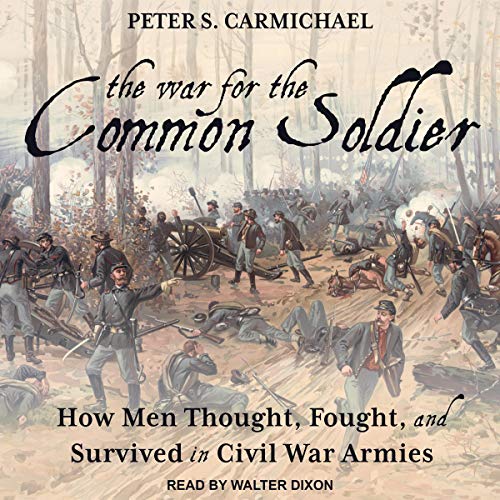
The book is divided into topics and gave profound insight into the lives of soldiers that is generally not included in historical books on the Civil War. It is an open discussion on the peril they faced and often expressed their private emotion and feelings written to those at home.
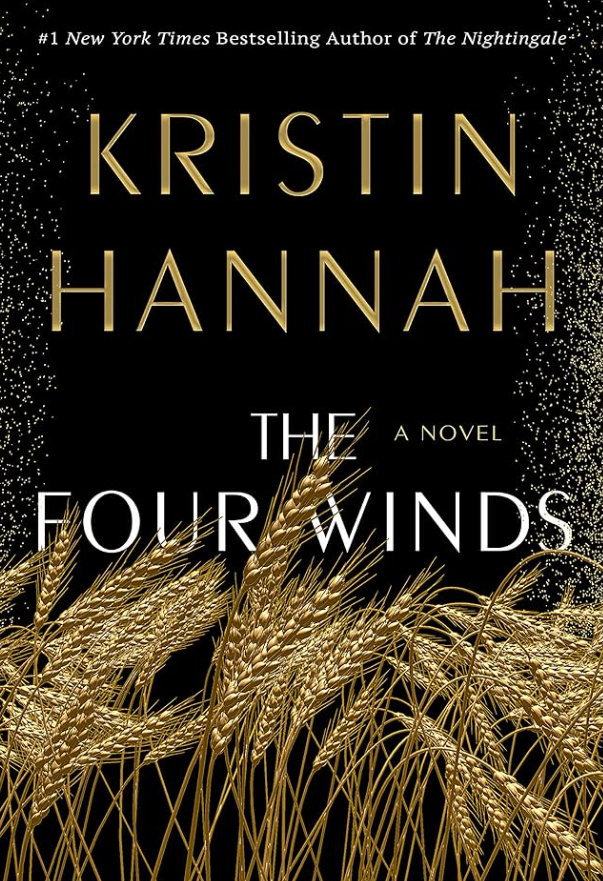
“The Four Winds” by Kristin Hannah is a powerful historical novel about family, sacrifice, and survival during the Great Depression and the Dust Bowl. It follows Elsa Martinelli as she faces devastating droughts in Texas and an arduous journey to California.
I did not anticipate, based on some of the negative reviews that I read before I started this book, that I would love it as much as I did. But I enjoyed it immensely.
I had previously started to listen to Kristin Hannah’s highly-acclaimed booked, ‘The Nightingale” and gave up as the Audible narrator was grating. I decided that if I was going to attempt another book by the author, I would actually read it to get the full flavor of her writing. I am so glad I gave her another try.
Contrary to the handful of critical reviews of ‘The Four Winds’ bemoaning how much bad fortune could be heaped upon a character before you start to find it (paraphrasing) unbelievable, I thought this book was incredibly believable. As someone who loves history and knows somethings about the Dust Bowl and era of the Great Depression I think she did a yeoman’s job of presenting how life was during that time in American history. I don’t think that anything Elsa experienced was hard to fathom.
Also, I do not like Pollyanna-type books where the people do ‘all the right things’ or have all the answers. The dialog that Kristin Hannah wrote for all the characters, especially Loreda’s interations with her mother, was authentic. Not cutesy, not too flippant, just very real.
A storyline I was deeply invested in, great character development, just all around a great reading selection.

