
Every so often in genealogy, we are fortunate enough to find more than names, dates, and places. We find a voice.
Adin Manly (1793-1867), the younger brother of my 4X great grandfather, Howard Manly (1791-1852) was born in Taunton, Massachusetts in 1793. Like so many young New Englanders of his generation, Adin eventually turned his eyes westward toward the sparsely settled country of Western New York. The Manly brothers would become among the early members of the family to make their way into Orleans County, helping establish a branch of the Manly (Manley) family that would remain there for generations.
But Adin left behind something far more remarkable than a trail of census records and vital statistics. Late in life, he told the story of those early years himself which was published in the book “The Early Pioneers of Orleans County, New York” by Arad Johnson.
His recollections read almost like an adventure story: a disastrous horse trade, nights spent in barns, mosquitoes and fever, brutal winter travel, a tiny log home, scarce food, crops destroyed by frost, a house consumed by the struggle to raise ten children in what was still very much a wilderness.
Through Adin’s own words below, we are given a rare glimpse not simply of where our ancestors lived, but of what it felt like to be there.
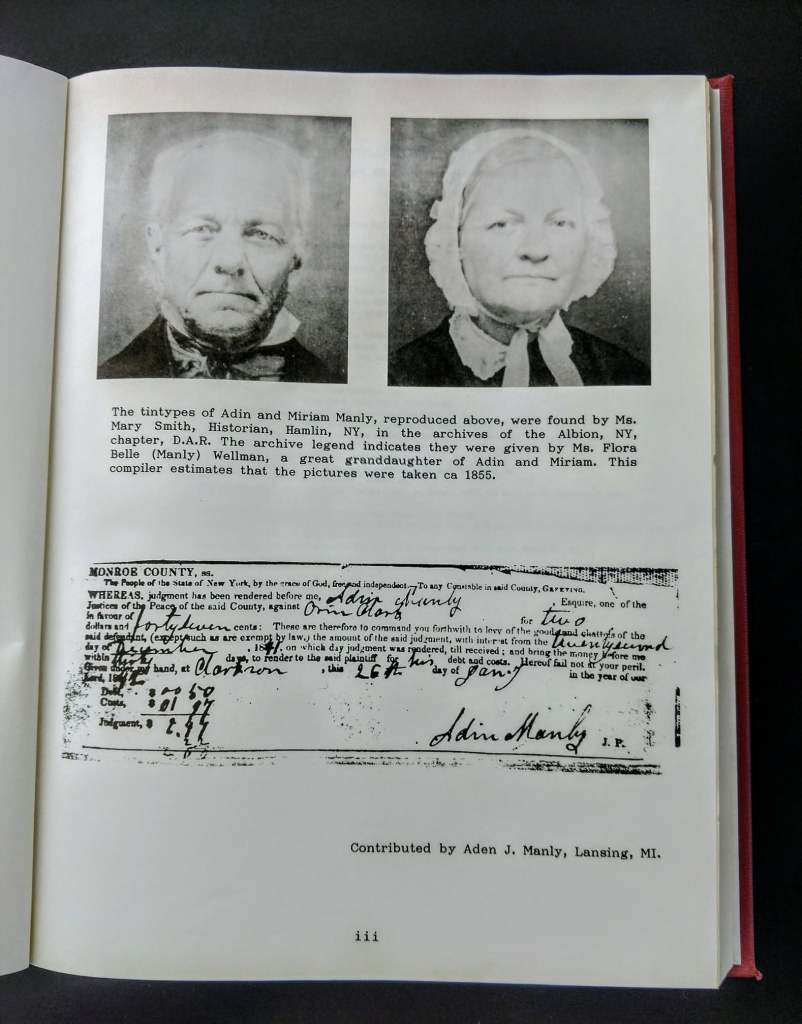
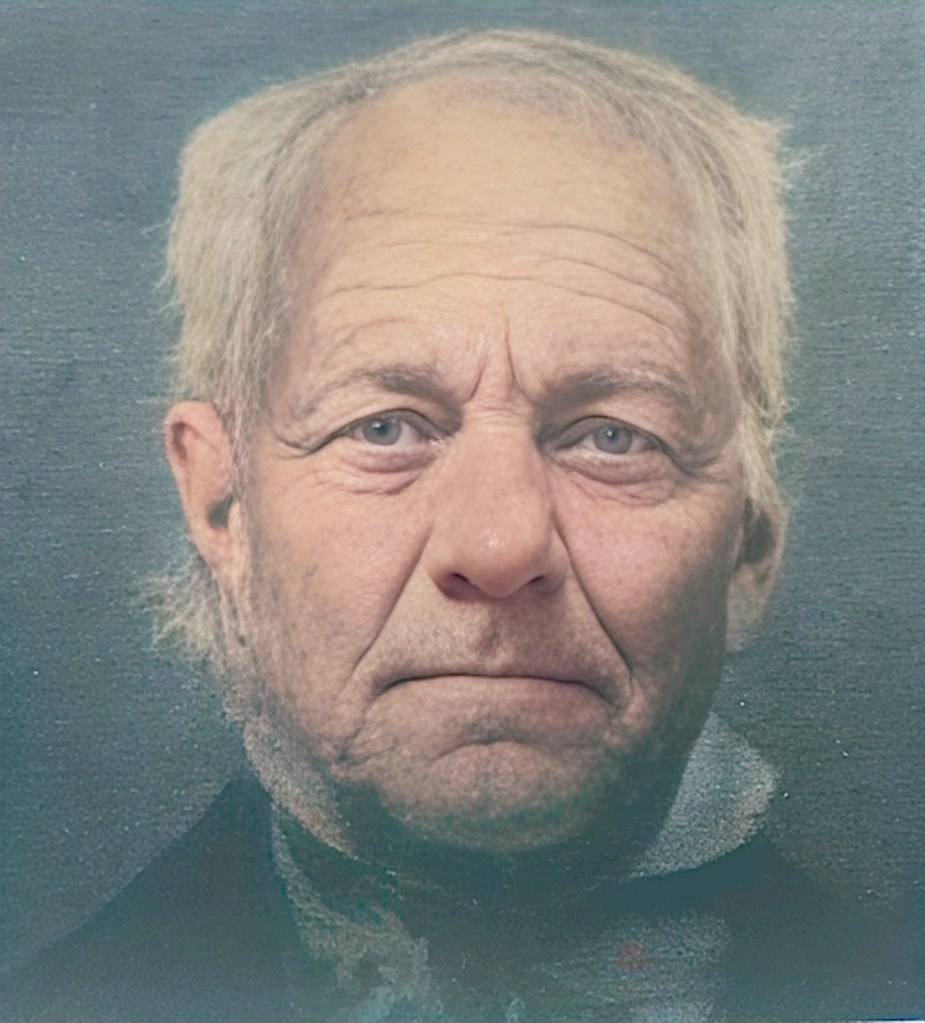
The Pioneer History of Orleans County, New York
I was born in Taunton, Massachusetts on March 13, 1793. I was brought up among the boys of New England, never having belonged to the ‘upper ten.’ I roughed with the hardy sporting ones, always ready for athletic games, and could commonly act well my part. When about twenty-four years old I was taken with the western fever, and having laid up two or three hundred dollars, in time saved while sowing my ‘wild oats,’ I bought a horse and wagon and started with three others for the Genesee County. Not knowing or thinking of any trouble ahead, we dashed away. One of my traveling companions was Stephen Randall, Jr., son of Rev. Stephen Randall, who had previously gone west, and then resided at Avon. The son now resides in the town of Union, Monroe County, and has got to be an old man and wealthy.
We arrived in Avon in September, 1815. From thence we made our way into Murray, and to what is now Kendall, by way of Rochester. At Rochester we were glad to get into the barn with the horses for a nights lodging. There being about thirty men, and how many horses I cannot tell. Which made most noise would be difficult to tell; one things I do know, the men swore most and drank the most whiskey. That was an awful company. It seemed as if they were the filth and offscouring of the whole country. In the morning I proposed to sell my horse for I was short of funds and had no farther use for him. A gentleman appearing man by the name of Gilvreed offered to buy him. He said he had good notes against a responsible man, but the notes amounted to more than the price of the horse, and I might give my note for the balance, and as to the value of the notes, I might enquire of gentlemen who knew, at the same time referring to some standing by, who said they were good, and no mistake. So the exchange was made in due form and both parties were highly gratified.
But the result was that the maker of the notes was not worth a straw, and the man, Gilvreed, was worse. This was my first financial operation in the west. What added to my humiliation was, I thought I had such a vast knowledge of men and things as to be proof against being outwitted by anybody; and that I knew more then ‘old folks.’ I wonder if the boys think so of themselves now-a-days.
I then made my way west along the Ridge Road to Murray Corners, now Clarkson, where Dr. Baldwin had located and kept a tavern, which at that time was a very lucrative business, as people were flocking from the east rapidly.
From Murray Corners we struck off north-west what was then called ‘Black North,’ a region where the probability was, what the musketoes did not eat up, the fever and ague would kill. On we went, nothing fearing, until we came to what was called, “Yanty Creek,” where we found three families located, who I believe were the only white inhabitants in what is now the town of Kendall. They were H. W. Bates, Amos Randall, and Benjamin Morse, and their families. I concluded to make a ‘pitch’ here. I now had to learn the customs and employments of the people among whom I was going to reside, which consisted mainly of chopping, rolling logs, raising log houses, drinking whiskey to keep off the fever and ague, hunting deer, bear, raccoons, bees and catching fish.
After working hard at a log raising, and taking cold after I was awakened in the night by an awful ‘shaking’ and could not tell what it meant, but found out sure enough afterward.
In the spring of 1816, I went to work in good earnest to clear a patch of land on which to raise a little of the needful, and behold in June there came a frost and spoiled all our labor and made our cornfields in the wilderness, instead of ‘blossoming like the rose,’ look as though the fire had run through them.
The next fall I was taken down with the ague ‘proper,’ and in attempting to break it up I made it worse, until it became awful. I then made up my mind to make my way back to Massachusetts. But how was I to do it? I was so weak I could not walk a mile. Finally I found some men going to Vermont and agreed with them to take me along with and let me ride part of the time. If I could remember their names I would record them with gratitude for their kindness.
I found my unconquerable will had a wonderful effect upon my body. I had no more ague on my journey, though I had it every day before I set out. I went to Massachusetts, and remained till I got well recruited, and nothing daunted by what I had suffered, I determined to return again to the west, and January 17th, 1817, I was married to Miss Miriam Deming, and in February following, with my wife, my brother, and his wife and one child, Eri Twitchell, and wife, and Nathaniel Brown, we started with three yoke of oxen hitched to a huge covered wagon. The perils of that journey were neither few nor small in passing over mountains covered with snow and ice, sidling roads with yawning gulfs below, and crossing streams on ice, and floundering through snow drifts, with a constant headwind blowing in our faces for twenty-two days together.
When we arrived in the neighborhood of our new home, our neighbors hailed our coming with joy, and wanted a little flour just to make a cake. I suppose they had gathered some stick and had baked their last meal. We moved into a small log hut with only one room the fireplace against the logs at one end, with a stick chimney, bark roof and floor,. Taking it altogether, we thought it was a terrible place to live in. We had three yoke of oxen and nothing for them to eat, this was the worst of all. We turned them into the woods and cut browse for them, but the poor cattle suffered much. In the next spring we had to pay one dollar a bushel for potatoes, and alike price for oats, and no money to buy with at that. We got some potatoes to plant and they came up trice, one by natural growth and once rooted up by the hogs. We set them out again, my wife helping, for she was a true ‘yoke fellow.’ So we plodded on through the summer, with wheat costing $2.50 a bushel, port twenty-five cents a pound.
Our first child was born Sept. 24th of this year. It was very feeble, and remained so for a long time, its mother having the fever and ague every day for nearly seven months, and taking care of her child the most of the time. At six months the child weighed only four pounds! Thus we toiled on for three years. the third year we raised wheat and other crops enough for our comfort, and had built a framed addition to our house. Our prospects now seemed favorable for going ahead, but in March following, our house took fire and was consumed, together with all our provisions, and nearly all our household furniture. Under the circumstances, this was a sore trial to us. We then had three children, and no where to lay our heads. We had nothing to eat except what came from charity. Our neighbors were poor but exceedingly good.
After a while we got another house and toiled on, getting together some of this world’s goods. We had ten children, all of whom lived to grow up to be men and women. We have sent nine of them to school at once.
My wife died July 30, 1857, aged 64 years. I have never experienced any calamity in my life that afflicted me like her death, with such severity.
For several years after I came into this country, I spend considerable time going far and neat to assist in raising log buildings. Sometimes going several miles and carrying my dinner in my hand. Mr. W. H. Bates and myself were accustomed to labor much together, changing works. In the winter of 1816, we went a mile into the woods to chop; there by accident a tree fell on him cursing him badly. Had he been along he would have perished. On another occasion Mr. Bates and another man with myself, went two miles into the woods one day in June, and felled the times on two acres. I think the like was never done in that neighborhood before or since.
In the early settlement of the Genesee Country, intemperance prevailed to an alarming extent. Almost everybody drank whiskey free as water when they could get it, and I am surprised so many escaped total and eternal ruin. Many years ago I saw the evil and totally abandoned the use of everything that intoxicates as a beverage and labored faithfully as I could to save others. For my zeal and persistence in opposing the traffic in liquor, I have suffered much from rum sellers. At an early day I have seen Justices Courts in session with a bottle of whiskey on the table before them, thus polluting the fountains of justice with the vile abomination, and if the Honorable Court happened to become too much absorbed with the creature, they would adjourn over to cool off.
I have had a large experience in hunting bears, deer, raccoons, and wolves, and camping out in the woods in cold and storm, without fire or food, working out in the dead of winter, eating frozen dinners in the woods, sharing fully my part in all sorts of hardships which fell to the lot of the first settlers here. I have endured it all, and lived to a good old age, thankful to that good providence which has carried me through so far and so safely.
Albion, February 26th, 1861.
ADIN MANLEY.
Mr. Manley died in Albion, July 29th, 1867, aged 74 years.
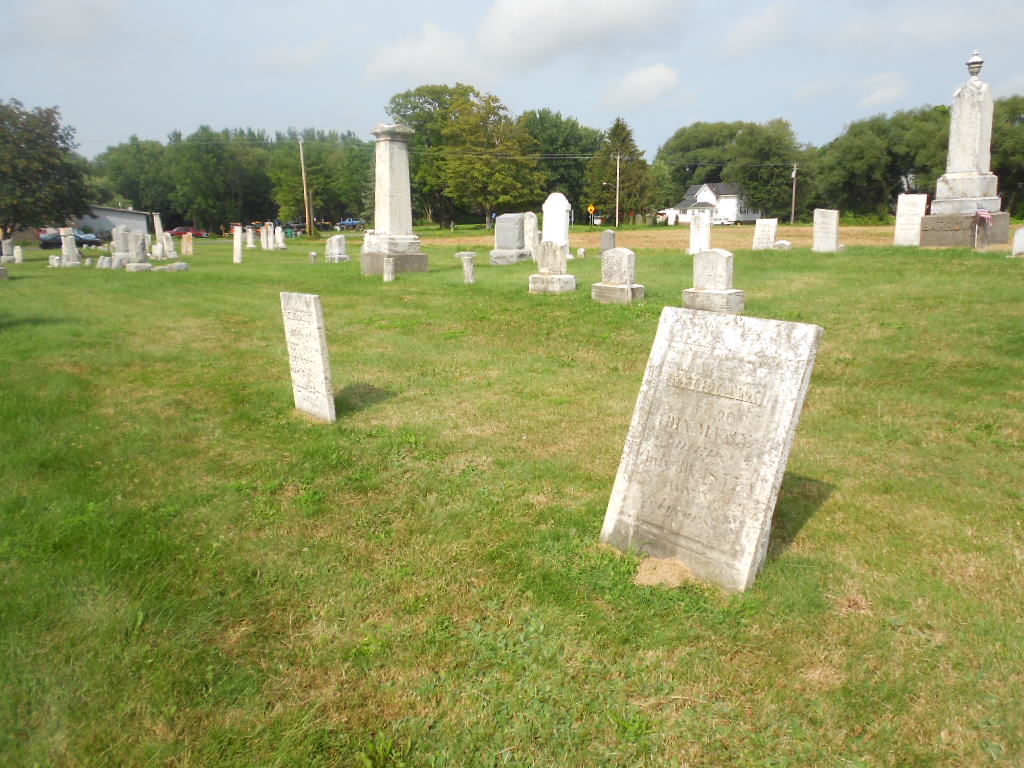
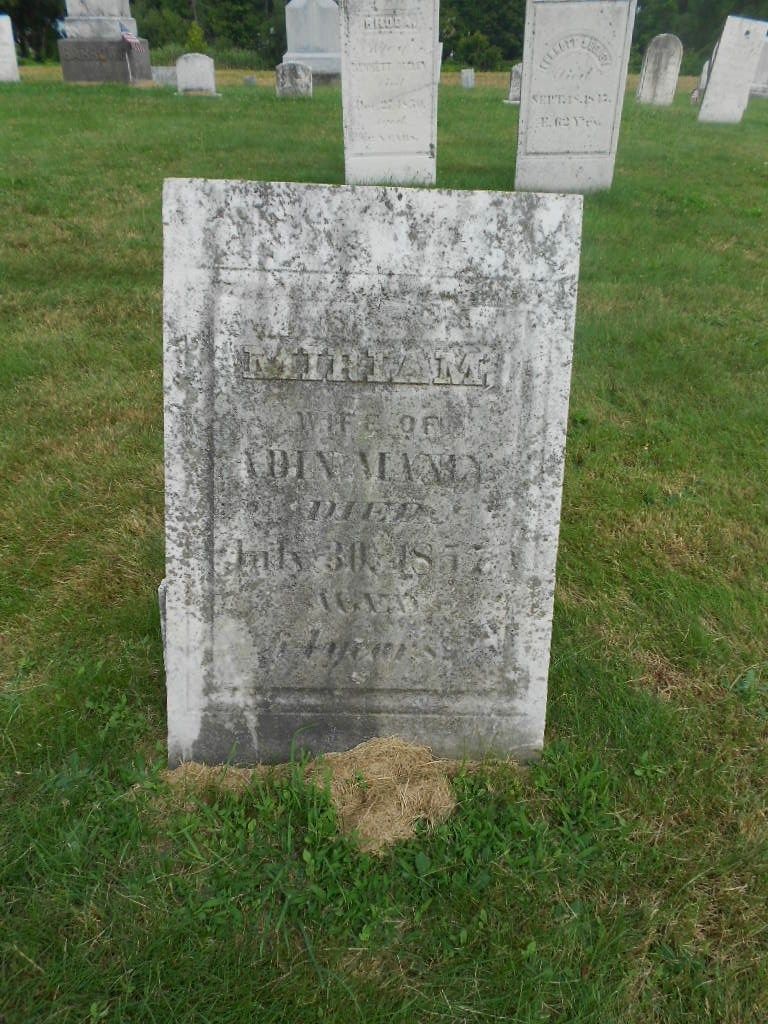
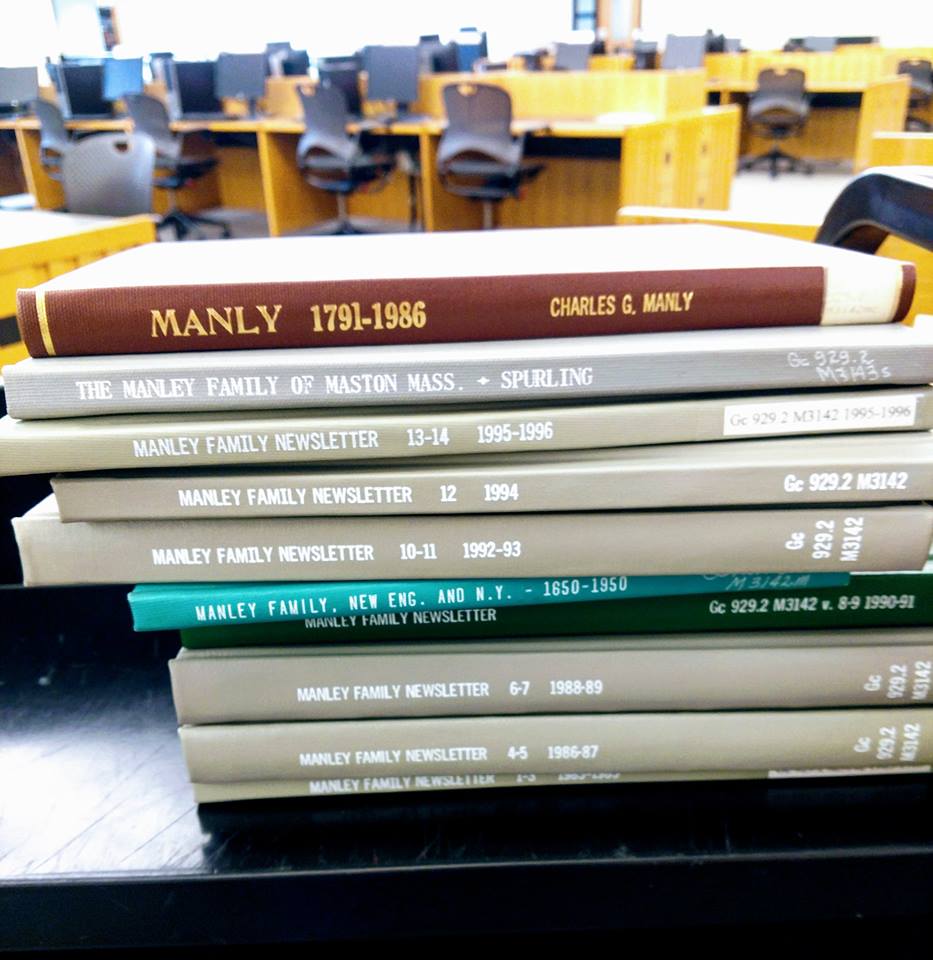
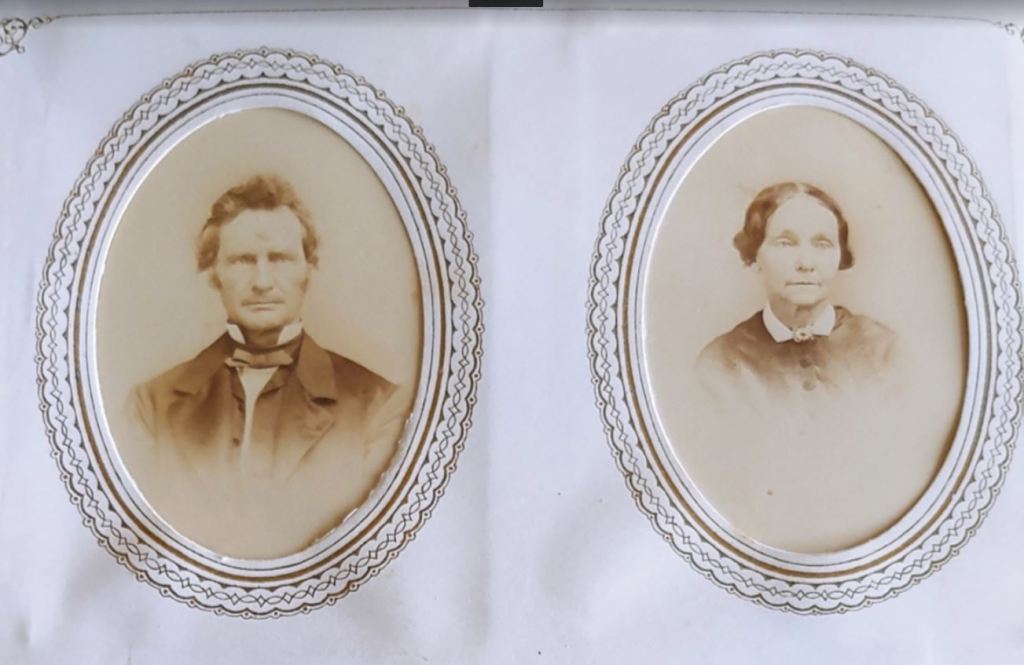

When Adin’ references “my brother, and his wife and one child” he is referring to my 4X great grandfather, Howard Manly and his wife, Lois Kelton who accompanied them. My research indicates that Howard and Lois had a daughter, Alvira in 1816 and another daughter, Elizabeth in 1817. If, according to Adin’s recollections, they left for New York in February 1817, Lois might have been pregnant and had their second daughter after their arrival.

 Tiny Acorns & Mighty Oaks
Leave a comment