
Personally for me, one of the most interesting periods of American history is the Civil War (1861-1865) and its aftermath. Recently I wondered, what exactly happened to the former Confederate leaders after the Confederacy was defeated by the Union?
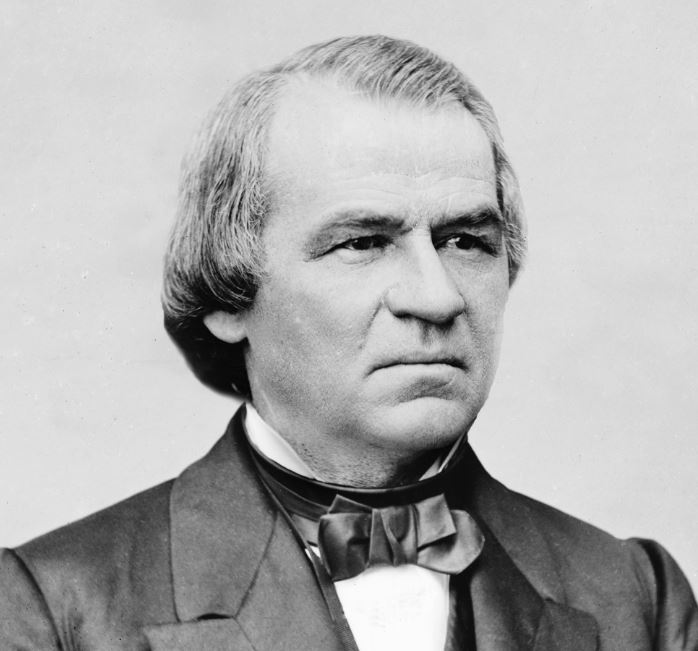
Andrew Johnson (1808-1875) who became President after Lincoln’s assassination, favored a remarkably lenient approach toward the defeated South. After he had remained loyal to the Union during the Civil War, Johnson opposed granting political rights to the newly-freed Black population and issued pardons to many former Confederates, allowing numerous members of the old Southern leadership to regain political power. His Reconstruction policies brought him into fierce conflict with Congress. He vetoed civil rights and Reconstruction legislation, only to have Congress override him, and in 1868 became the first American President to be impeached. He survived removal from office in the Senate by a single vote.
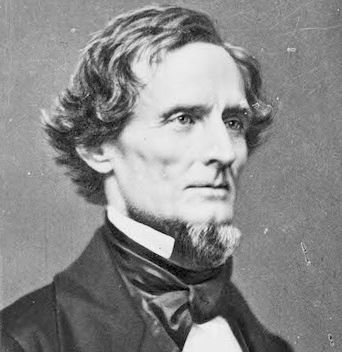
Jefferson Davis (1808-1889), President of the Confederacy, spent two years in a Virginia prison, sometimes shackled to a wall. He had many unlikely sympathetic supporters including the Pope, who advocated for mercy, and even some former enemies and abolitionists. After he was released he went to Canada and Cuba and England and eventually managed a successful insurance company, hiring only former Confederate officers. He remained an unrepentant racist and Confederate supporter until the end of his life.
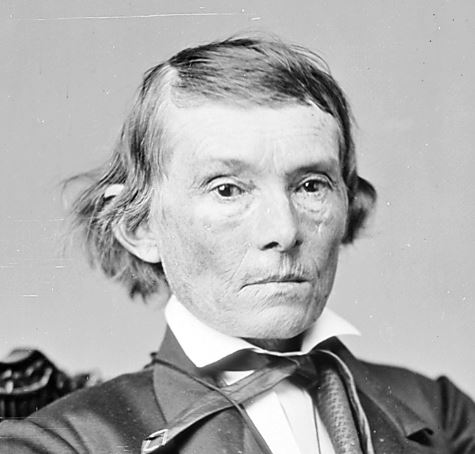
Alexander Stephens (1812-1883), the Vice President of the Confederacy, was arrested and held in prison at George’s Island in Boston until October, 1865. He was granted amnesty and pardoned by Andrew Johnson, a pro-slavery, anti-Black President. He was elected to the Senate, which refused to allow him to sit; was elected to Congress; and became the governor of Georgia. Stephens was a rabid anti-Black racist who wrote the “Cornerstone Speech” stating the the Civil War was all about slavery and that Blacks would never be the equals of Whites.
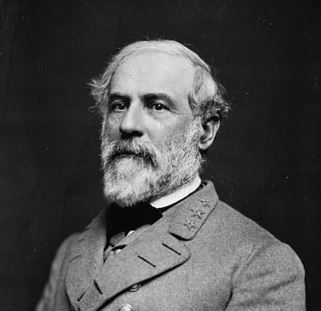
Robert E. Lee (1807-1870), former General, was not arrested but joined the pro-Confederate Democrats who opposed Black suffrage and publicly expressed white-supremacist views after the war, while also urging former Confederates to accept reunion and avoid renewed warfare. He lost all his property and money and the right to vote. He was seen as an iconic, sacrificial Christ-like figure in the South and often had to speak against resuming the war by any means possible as many of his supporters wanted. He was used as a vehicle of reconciliation. Later, he was the very successful head of Washington College.

 Tiny Acorns & Mighty Oaks
Leave a comment