
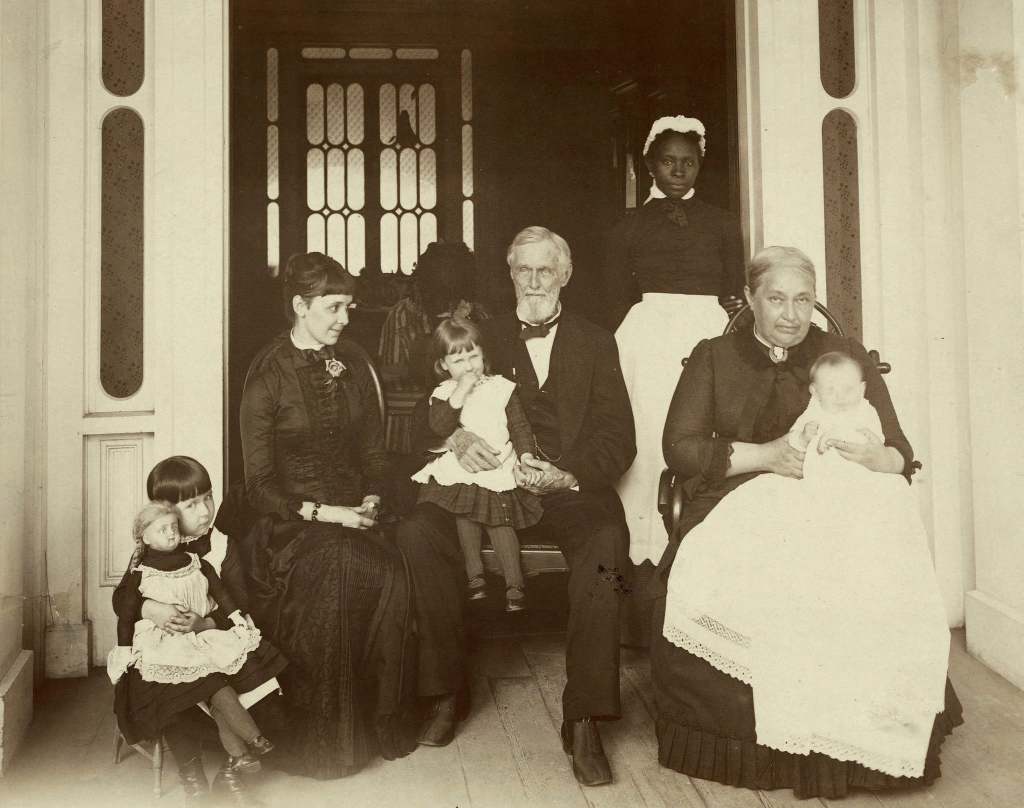
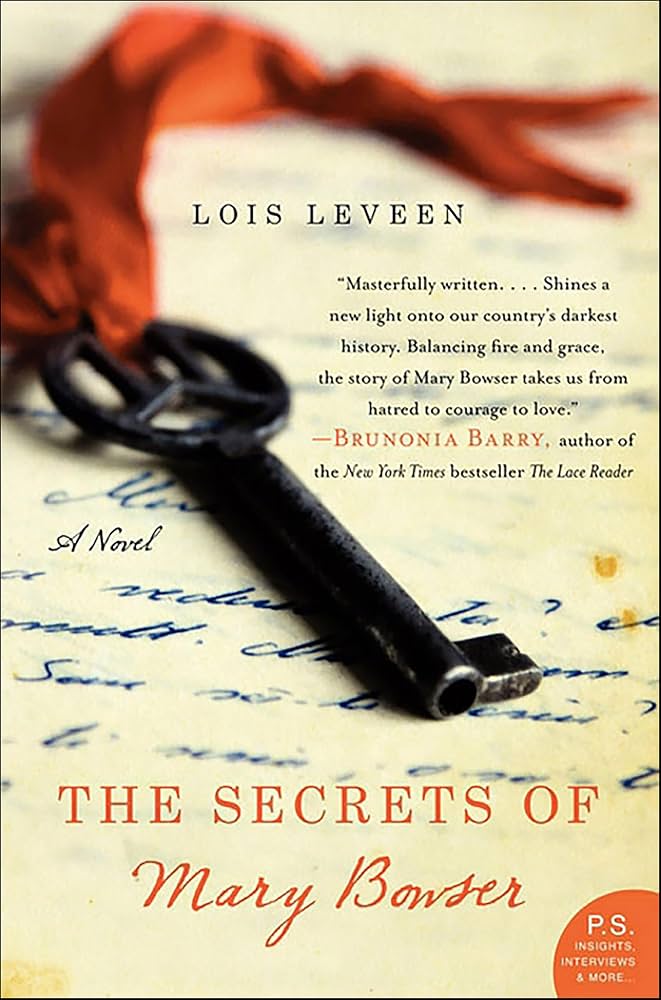
A few years ago I came across the story of Mary Bowser, a formerly enslaved woman who became a Union spy in Richmond during the Civil War. Bowser reportedly worked inside the Confederate White House, where Jefferson Davis lived with his wife, Varina, and passed information she gathered there to the Union.
Naturally, that sent me down another historical rabbit hole – this time into the life of Varina Howell Davis, First Lady of the Confederay.
Varina was an interesting figure in her own right. At about 5’10”, she was unusually tall for a woman of her era, and when she married Jefferson Davis in 1845, she was just 18 years old. He was 36.
But what interested me the most was something Varina wrote after the Civil War.
In describing the behavior of enslaved people during the war, she praised those who remained on plantations and cared for the families left behind. She interpreted their actions as evidence of the supposedly benevolent relationship between enslavers and the people they enslaved, referring to the ‘lifelong kind and just exercise of their masters’ power over them.’
That sentence stopped me.
It is a stunning glimpse into the way some former slaveholders chose to remember slavery after the war. Varina could acknowledge the loyalty, competence, and humanity of enslaved people while apparently failing to recognize the contradiction at the center of her own words: however ‘kind’ she believed individual slaveholders might have been, they were still exercising ownership and power over other human beings.
And there is something particularly revealing about what happened once the war disrupted that power. Varina complained that enslaved people began participating in the excitement sweeping the country and that it interfered with ‘the needful routine of their labors’.
In other words, the people she described as loyal were beginning to behave like people who could imagine freedom.
Sometimes the most interesting pieces of history aren’t found in what people intended to tell us about themselves. They’re found between the lines – in the things they wrote without realizing what those words might reveal to readers more than 150 years later.
An except from a letter by Varina Howell Davis later in life:
“All southern women acknowledge with pride the good conduct of the rank and file of negroes on the breaking out of the war. They generally remained true to the families left in their charge and protected the women and children to the best of their ability. In short, their cause was a powerful testimonial to the lifelong kind and just exercise of their masters’ power over them. However, the crops failed frequently, the negroes to partake more or less of the excitement which pervaded the whole country, and this interfered with the needful routine of their labors.”


Leave a Reply